


BioPay
Biometric Neobank
BioPay is a concept for a biometric-first neobank that uses fingerprint and facial recognition to provide secure and convenient access to financial accounts.

Platform:
Mobile

Industry:
FinTech

Team size:
2 people

Country:
Rwanda, Africa

Project Duration:
2 months

The year started & completed:
November 2024 – January 2025
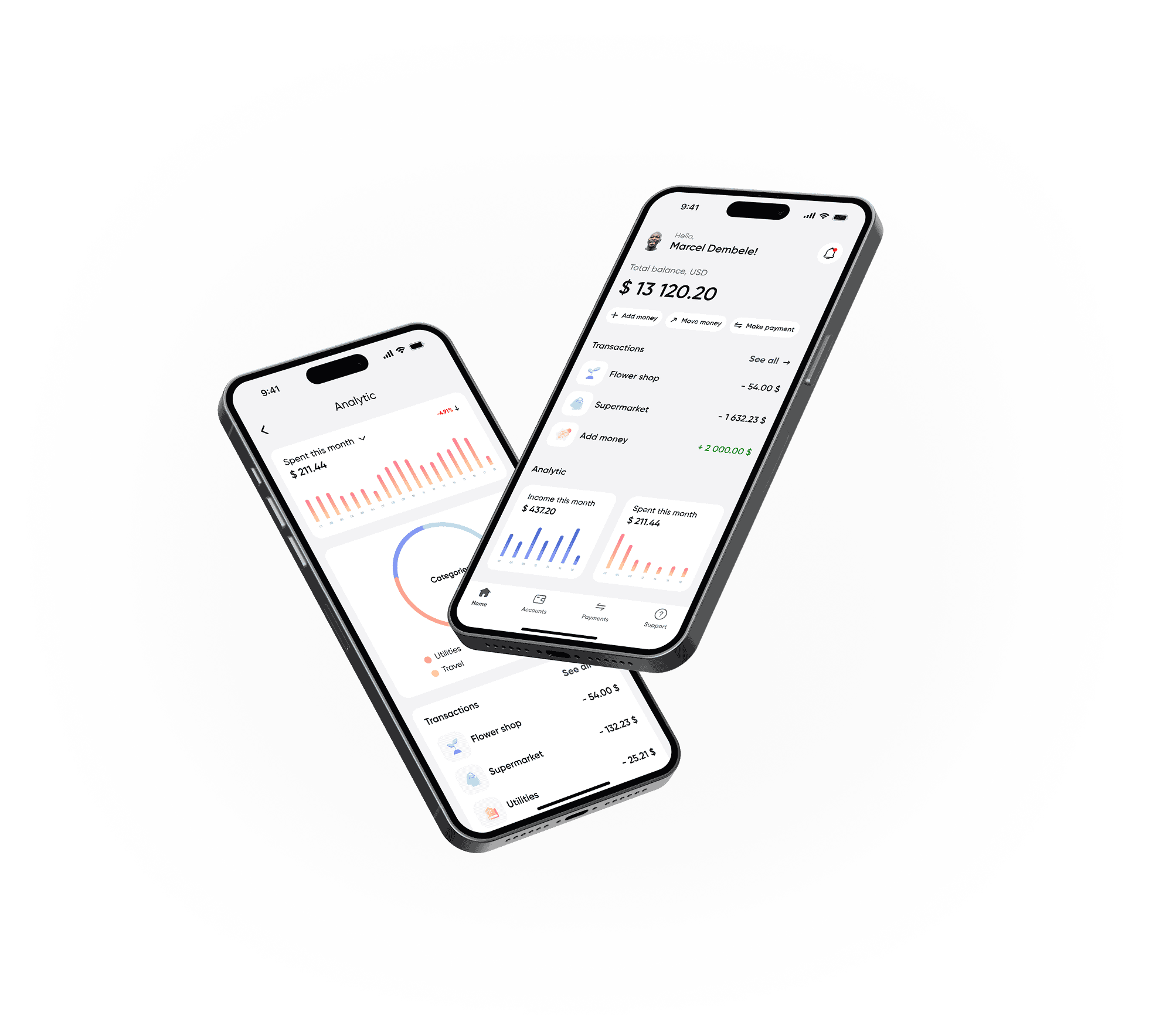
We conducted a Discovery phase to validate the feasibility and user value of a biometric-first neobank. Our team evaluated how replacing passwords and PINs with biometric authentication could improve security, simplify user journeys, and unlock a more personalized banking experience in the future.
Scope and Objectives
01
Seamless Account Access
02
Secure Transaction Authorization
03
Password-Free Banking
04
Enhanced Fraud Protection
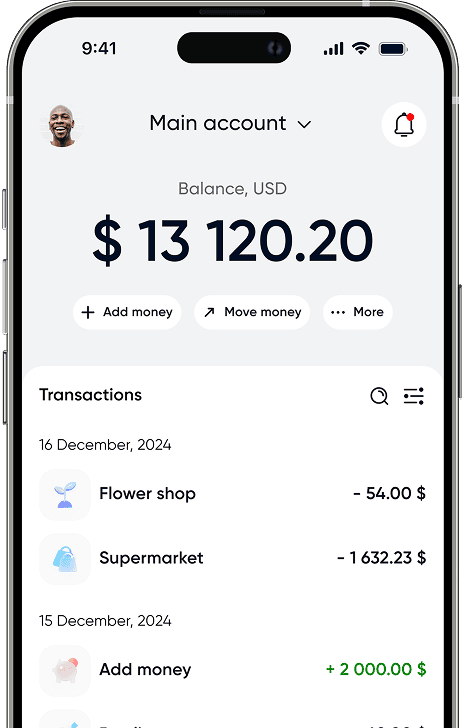
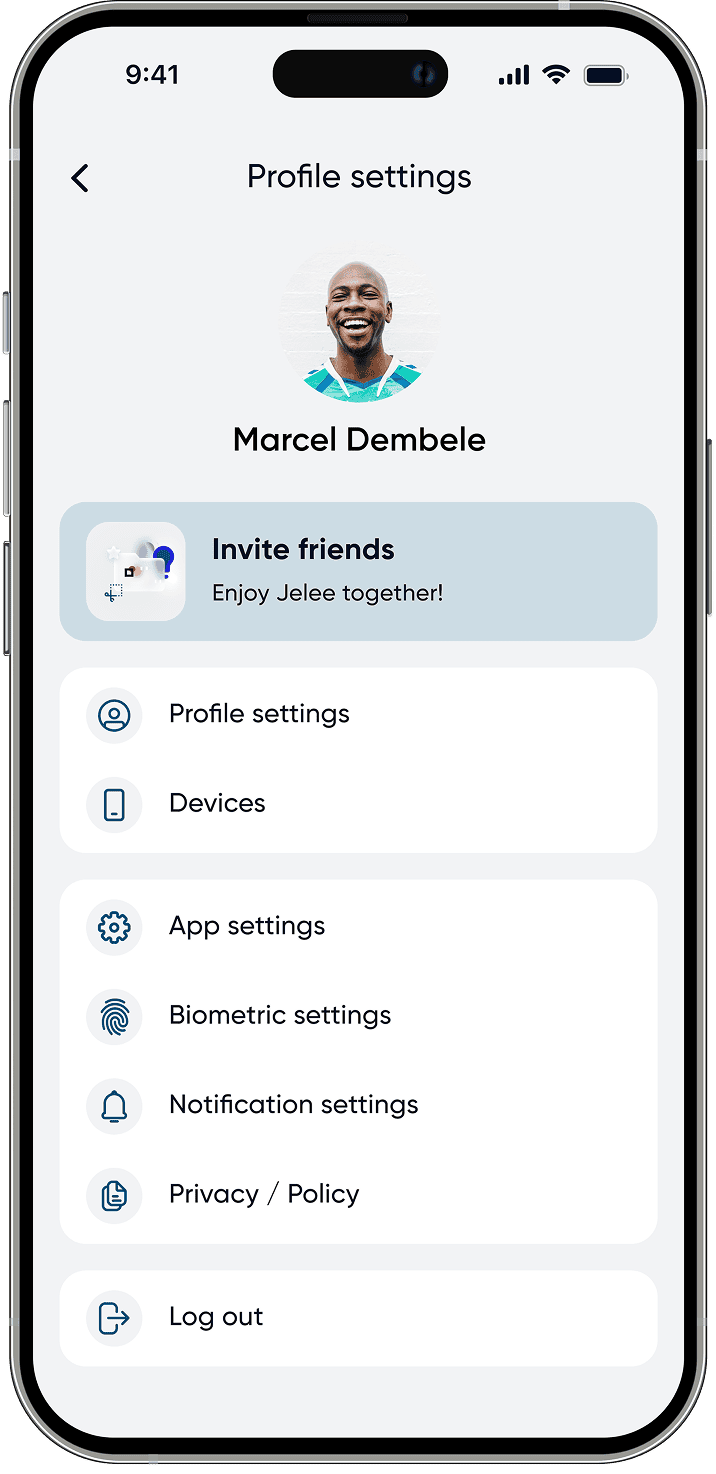
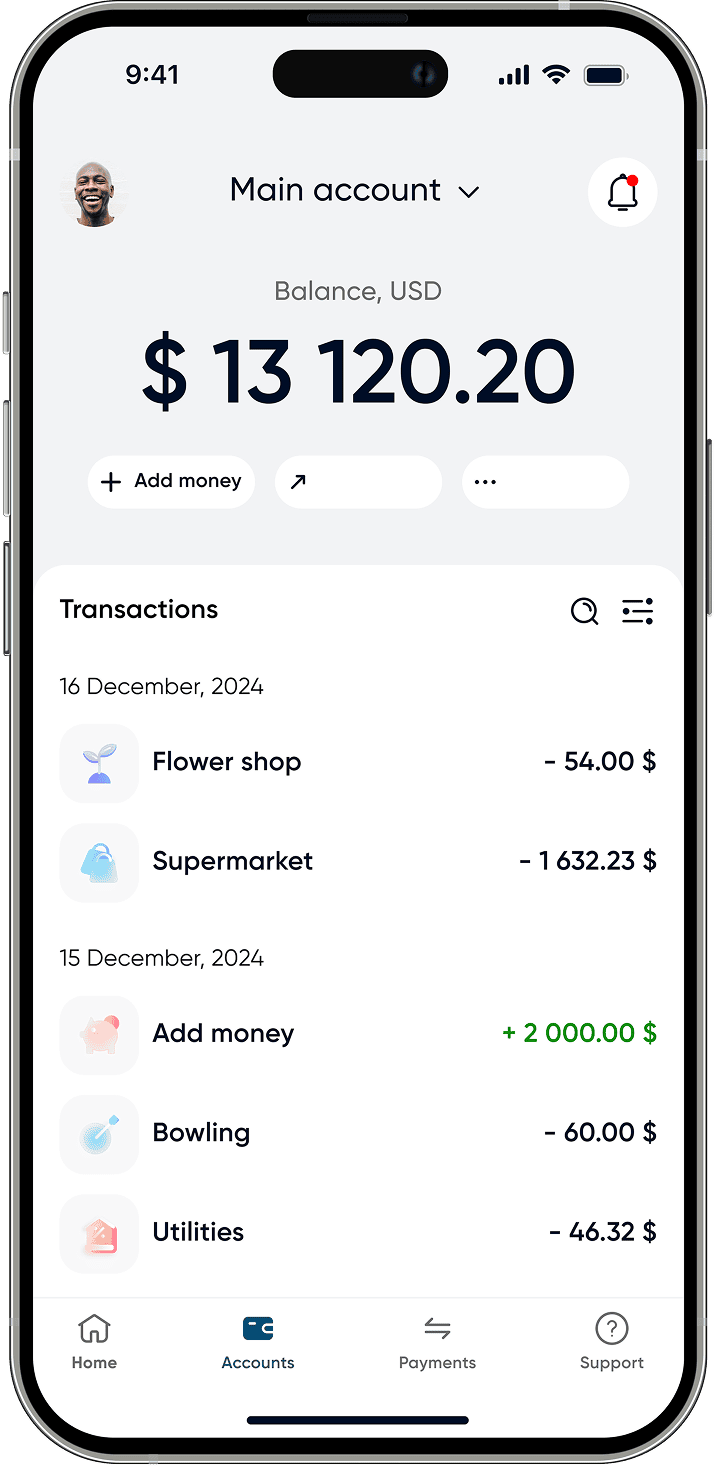
Account management
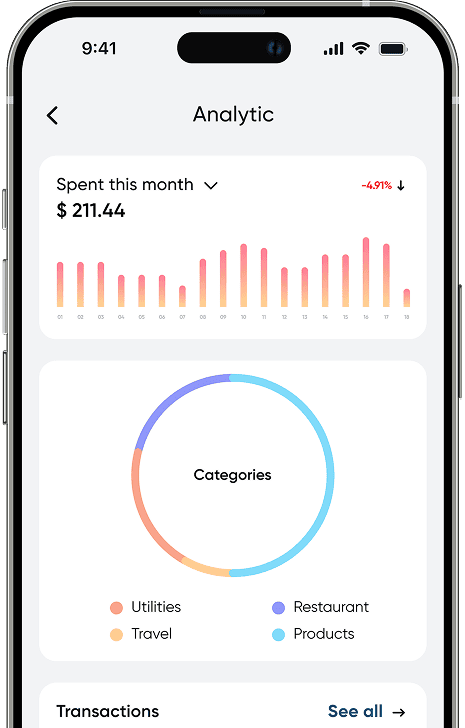
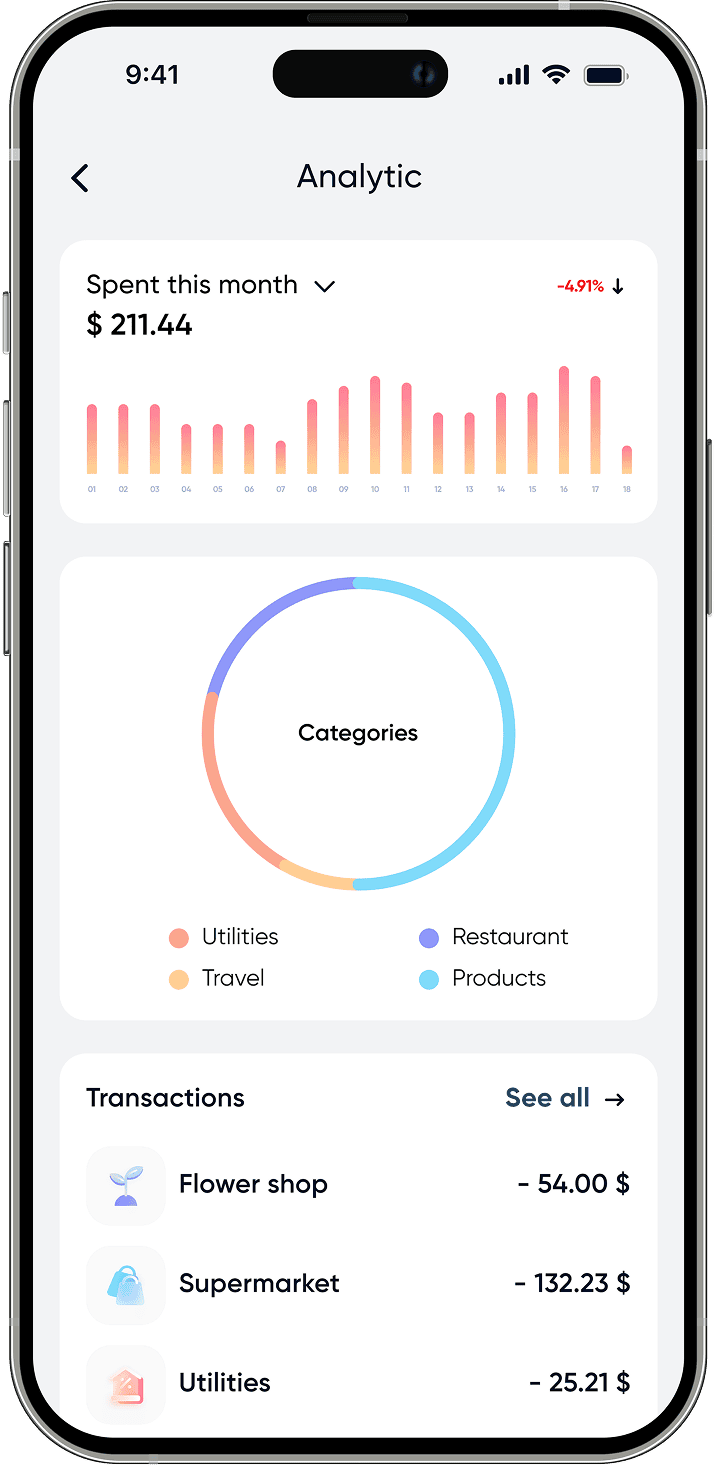
Analytic
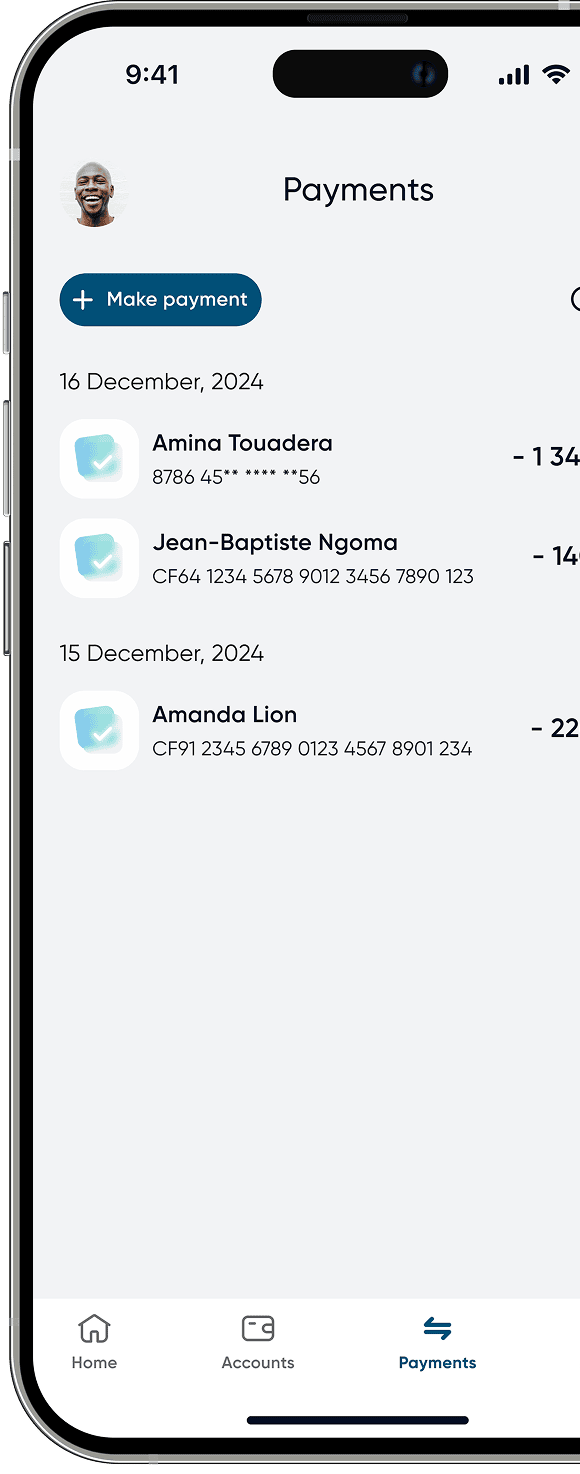
Payments
Focus Areas and Deliverables
We focused on usability, technical feasibility, and accessibility, delivering design and research artifacts for future implementation planning.
User Experience Optimization
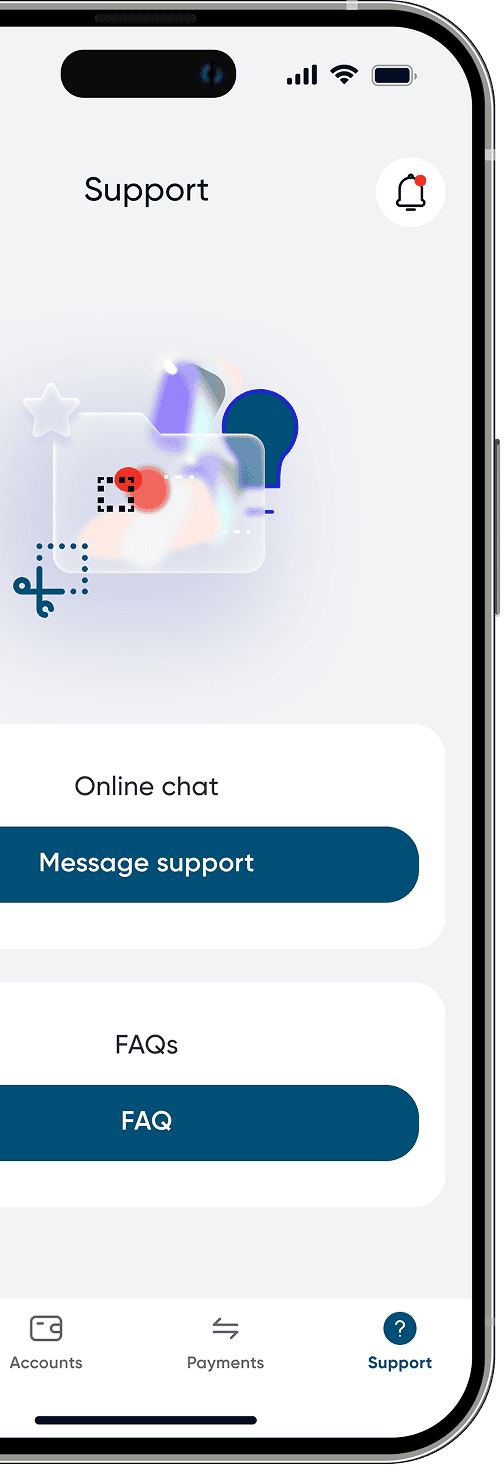
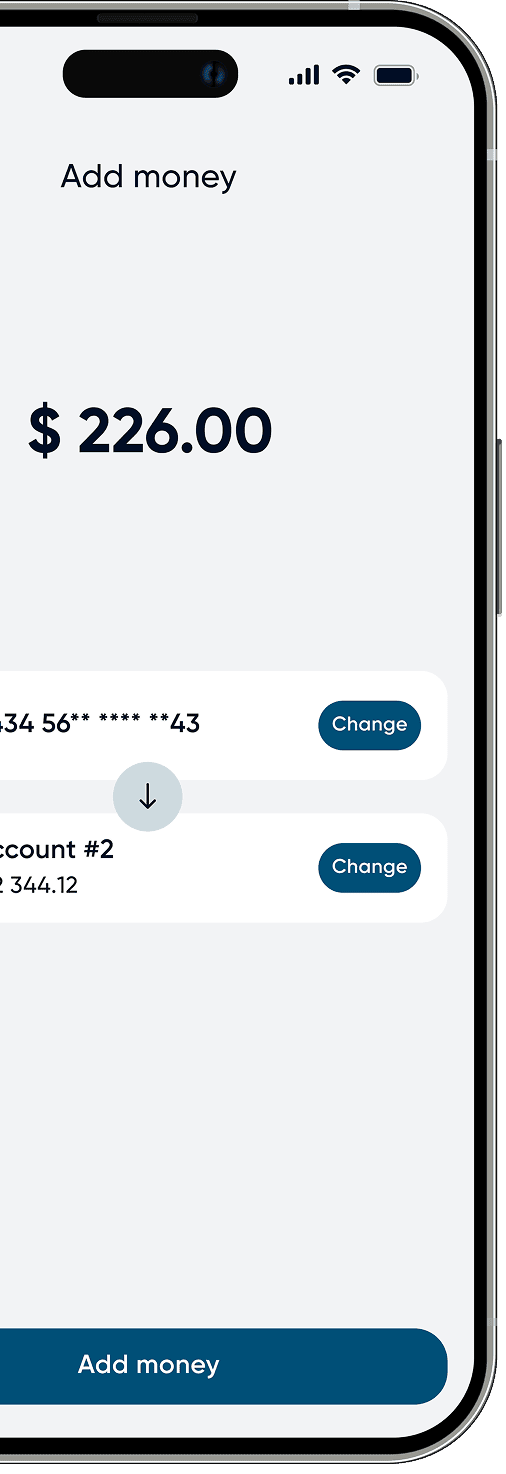
Studied how biometric technology could simplify core banking interactions (login, authorization, payments and account changes) and defined user journeys that prioritize speed and clarity.
Strategy & Design Assets
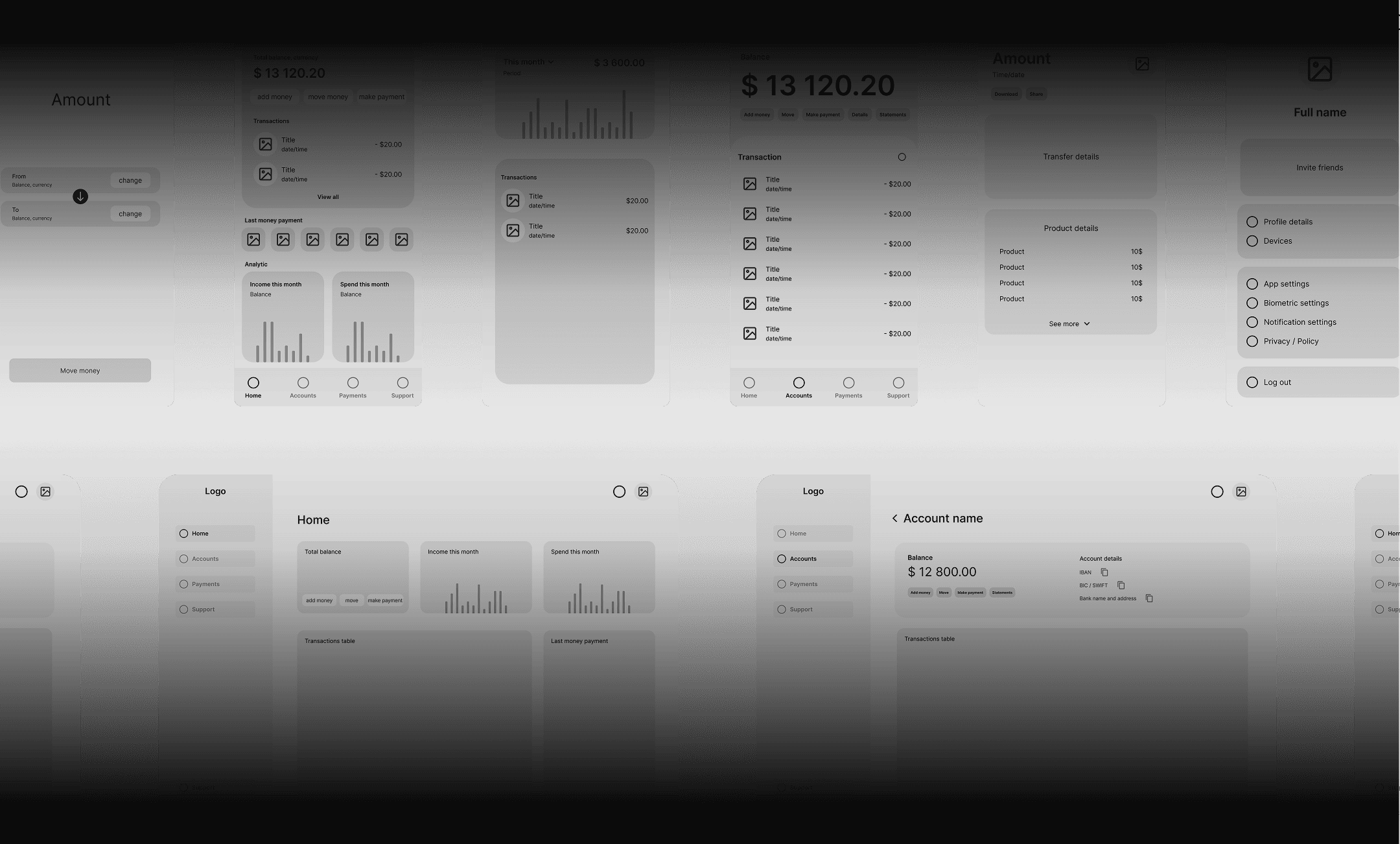
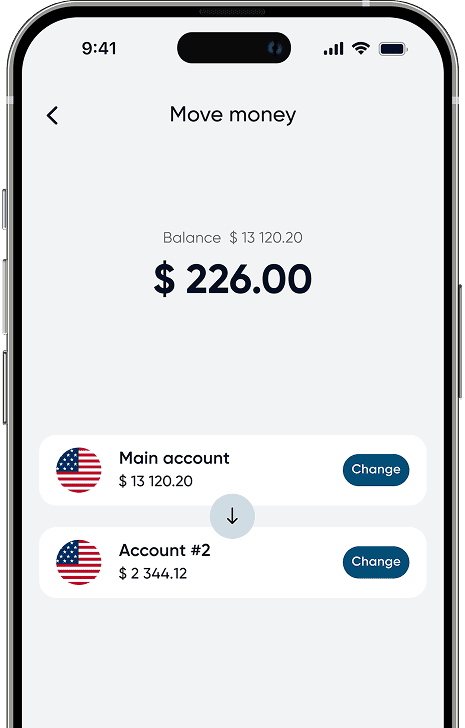
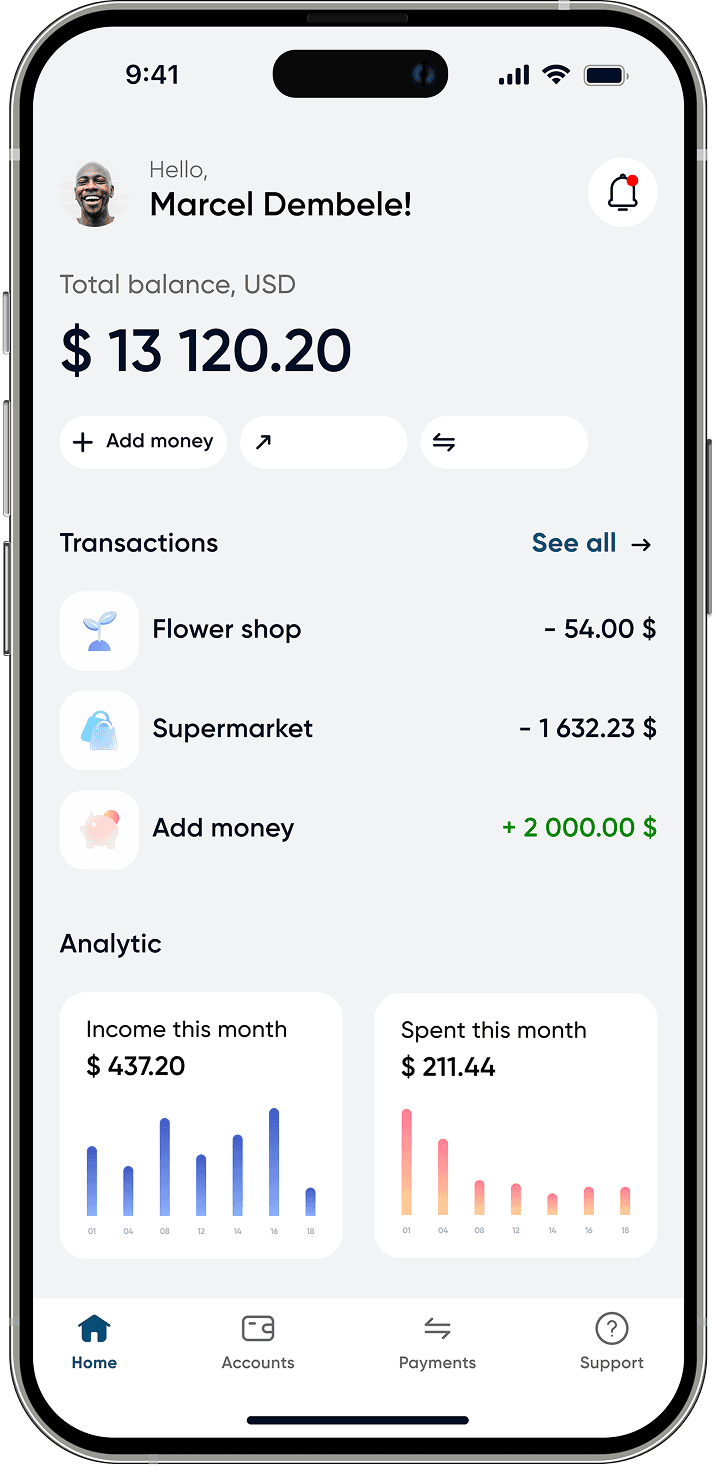
Created a pitch deck, wireframes for the web application, and UI designs for the mobile app to support future implementation planning.
System Latency & Performance
Identified performance expectations and constraints for biometric authentication to support a seamless user experience.
Accessibility & Inclusion
Identified user groups that may face challenges with biometric technology and proposed alternative authentication flows to ensure inclusive access.

Challenges
Biometric Data Security
The solution will need robust mechanisms for secure storage and encryption of biometric data to prevent unauthorized access and breaches, while complying with global data protection regulations.
User Adoption & Trust
Successful rollout will require addressing user skepticism and privacy concerns, clearly explaining how biometric data is handled and protected.
Hardware & Device Compatibility
Variations in biometric sensor quality and capabilities across devices must be accounted for to maintain consistent authentication performance.
Regulatory & Compliance Challenges
The product must align with regulations such as GDPR, PSD2, and other financial and biometric data requirements in the target markets.
Fraud Prevention & Spoofing Resistance
Future development will have to incorporate anti-spoofing techniques to mitigate risks posed by deepfakes, synthetic biometric data, and other advanced fraud attempts.
Results of the Discovery Phase
Biometric-first neobank concept focused on secure, password-free authentication validated through a dedicated Discovery phase.
Over the course of a two-month Discovery phase, we validated BioPay’s product vision and demonstrated how biometric authentication could streamline secure access to digital banking. Our research indicated a clear preference for faster authentication and reduced reliance on passwords, particularly during login and transaction approval.
Through market research, feasibility analysis, and UX design exploration, we defined how this experience could enhance both user trust and operational security in future implementation phases. The resulting design concepts, technical recommendations, and risk assessments equip the client with a clear roadmap for building a secure, scalable MVP that leverages biometrics to improve protection while minimizing authentication barriers.
Business Value
A strategic foundation that de-risks future development.
Validated Product Vision
Confirmed that a biometric-first approach resonates with users who want faster access and strong security, supporting a clear value proposition.
Defined User Journeys & UX Concepts
Mapped and prototyped core flows and created mobile UI designs that align stakeholders on the intended experience.
Technical & Regulatory Insights
Identified infrastructure requirements, biometric data protections, and compliance expectations to inform secure product architecture.
Risk & Challenge Overview
Documented key risks around data security, spoofing, device fragmentation, and user trust, along with mitigation directions for the next phases.
Foundation for Future Development
Provided design artifacts and recommendations for the client to plan architecture and estimate development efforts.